
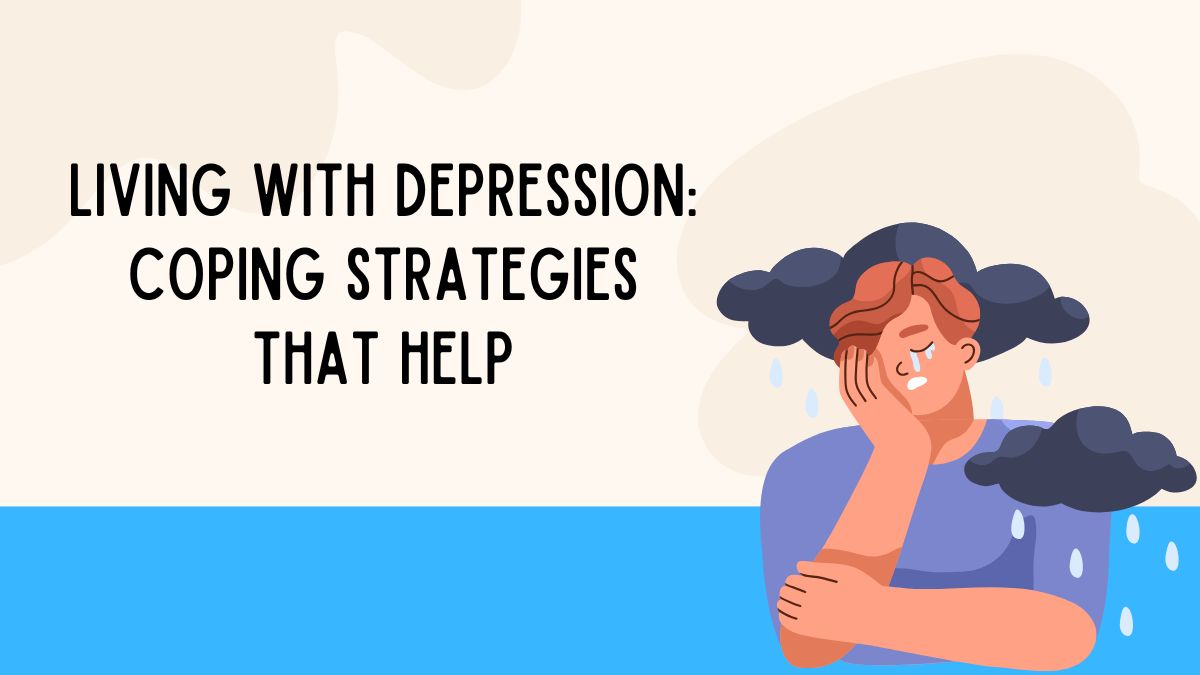
Living with depression can feel overwhelming, isolating, and exhausting. It is more than just feeling sad for a few days. Depression affects how you think, feel, sleep, eat, work, and interact with others. Yet, with the right support, practical coping strategies, and professional guidance, recovery is absolutely possible.
In this blog, we will explore what living with depression truly means and discuss evidence-based coping strategies that can make daily life more manageable.
Understanding Depression Beyond Sadness
Depression, clinically known as major depressive disorder, is a mental health condition that involves persistent low mood, loss of interest in activities, fatigue, feelings of guilt or worthlessness, changes in appetite, sleep disturbances, and difficulty concentrating.
According to the World Health Organization, depression is one of the leading causes of disability worldwide. It affects people of all ages and backgrounds. Importantly, depression is not a sign of weakness, nor is it something a person can simply “snap out of.”
If symptoms last more than two weeks and interfere with daily functioning, it is advisable to consult a qualified mental health professional, such as a Psychiatrist in Jaipur, for proper evaluation and care.
Common Symptoms of Depression
Understanding the symptoms helps you recognize when to seek help:
- Persistent sadness or emptiness
- Loss of interest in hobbies and activities
- Changes in sleep (insomnia or oversleeping)
- Fatigue or low energy
- Difficulty concentrating
- Feelings of hopelessness or guilt
- Thoughts of self-harm or suicide
If you or someone you know experiences severe symptoms, reaching out to a Psychiatrist can provide clarity and structured treatment options.
Coping Strategies That Truly Help
While professional treatment such as therapy and medication plays a central role, daily coping mechanisms can significantly improve emotional stability and resilience.
1. Build a Structured Routine
Depression often disrupts motivation and time management. Creating a simple daily routine helps restore a sense of control.
Start small:
- Fix a wake-up and sleep time
- Schedule meals regularly
- Include one meaningful activity daily
Even minor achievements create positive reinforcement in the brain.
2. Stay Physically Active
Exercise is strongly associated with improved mood. Physical activity releases endorphins and serotonin—neurochemicals that regulate mood.
You don’t need intense workouts. A 20–30 minute walk, yoga session, or light stretching can make a difference. Many mental health professionals, including the Best Psychiatrist in Jaipur, recommend incorporating movement into treatment plans for mild to moderate depression.
3. Practice Mindfulness and Breathing Techniques
Mindfulness-based techniques help reduce rumination, which is common in depression. Deep breathing, grounding exercises, and guided meditation improve emotional regulation.
Try this simple breathing practice:
- Inhale slowly for 4 seconds
- Hold for 4 seconds
- Exhale for 6 seconds
Repeat for a few minutes. Over time, this helps calm the nervous system.
4. Maintain Social Connections
Depression often encourages isolation, but connection is therapeutic. Even brief conversations with trusted friends or family members can reduce emotional burden.
If social interaction feels overwhelming, start with small steps—sending a message, making a short phone call, or meeting someone for tea. A Psychiatrist often emphasizes the importance of social support in long-term recovery.
5. Seek Professional Support
Self-help strategies are important, but moderate to severe depression requires medical intervention. A qualified Psychiatrist in Jaipur can assess whether psychotherapy, medication, or a combination of both is appropriate.
Common treatments include:
- Cognitive Behavioral Therapy (CBT)
- Antidepressant medications
- Lifestyle counseling
- Stress management strategies
Consulting the Psychiatrist ensures that treatment is personalized and evidence-based.
6. Improve Sleep Hygiene
Sleep disturbances are both a symptom and a trigger of depression. Establishing good sleep hygiene can significantly improve mood.
Practical steps:
- Avoid screens 1 hour before bedtime
- Maintain consistent sleep timings
- Reduce caffeine intake in the evening
- Create a calm sleep environment
Healthy sleep patterns help regulate mood-related brain chemicals.
7. Limit Negative Self-Talk
Depression amplifies negative thinking patterns such as:
- “I’m not good enough.”
- “Nothing will ever improve.”
- “I am a burden.”
Cognitive restructuring techniques, often taught by a Psychiatrist in Jaipur, help challenge these distorted thoughts. Replace harsh self-criticism with balanced, realistic thinking.
8. Focus on Small Wins
When motivation is low, large goals feel impossible. Break tasks into smaller, manageable steps.
For example:
- Instead of “clean the house,” start with “organize one shelf.”
- Instead of “get fit,” begin with a 10-minute walk.
Small accomplishments build confidence and momentum.
When to Seek Immediate Help
If depression leads to:
- Persistent suicidal thoughts
- Self-harm behavior
- Severe functional impairment
Immediate medical attention is necessary. A consultation with the Psychiatrist can provide crisis intervention and structured treatment.
Early intervention improves long-term outcomes and prevents complications.
The Importance of Early Treatment
Untreated depression can affect:
- Physical health
- Work performance
- Relationships
- Academic success
A proactive approach, guided by a Psychiatrist, can help individuals regain stability and emotional balance. Professional guidance ensures that symptoms are managed safely and effectively.
Breaking the Stigma Around Mental Health
Despite increased awareness, stigma remains a barrier to treatment. Seeking help from a Psychiatrist is a responsible and courageous step—not a sign of weakness.
Mental health conditions are medical conditions. Just as you would consult a cardiologist for heart disease, consulting a psychiatrist for depression is appropriate and necessary.
Final Thoughts
Living with depression is challenging, but it is manageable with the right strategies and professional support. Structured routines, physical activity, mindfulness, social connection, and medical treatment form a comprehensive approach to recovery.
If you or someone you know is struggling, consider consulting the Top Psychiatrist in Jaipur for a personalized treatment plan. Early diagnosis, compassionate care, and consistent coping strategies can significantly improve quality of life.
Depression does not define you. With the right help and coping tools, healing is not only possible—it is achievable.