
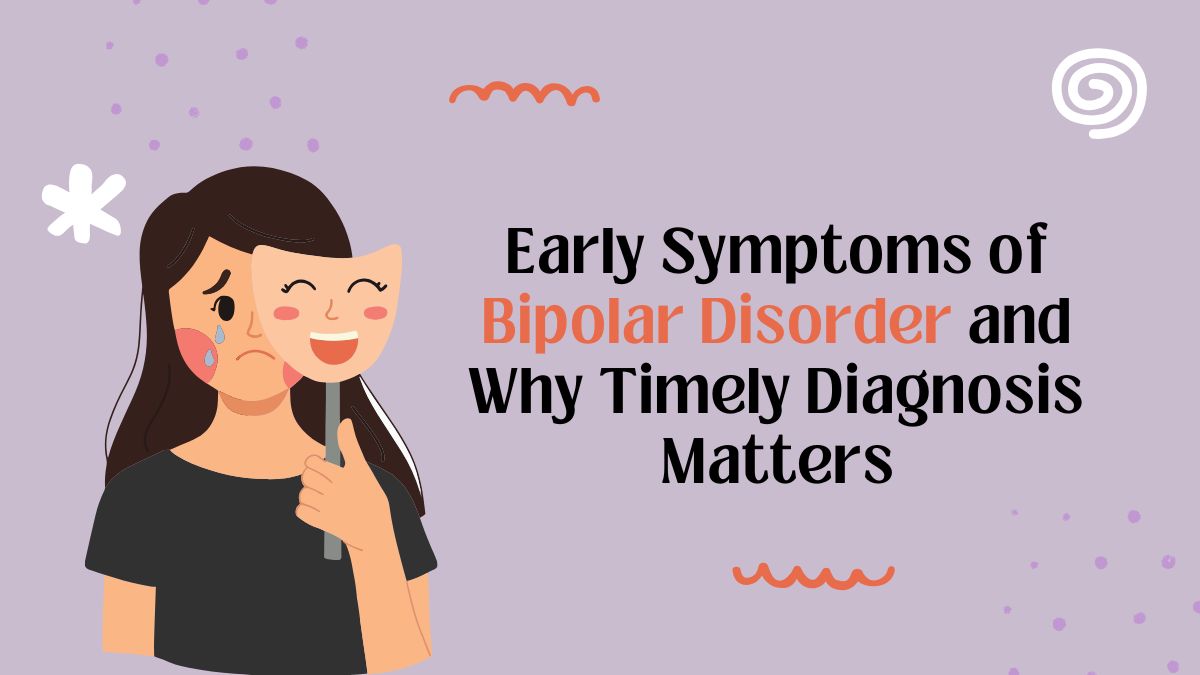
Mental health conditions often don’t appear overnight. They develop quietly, showing subtle signs long before a diagnosis is made. Bipolar disorder is one such condition—frequently misunderstood, often misdiagnosed, and sometimes ignored until symptoms become severe. Understanding the early symptoms of bipolar disorder and seeking timely medical help can significantly improve long-term outcomes and quality of life.
In this blog, we’ll explore the early warning signs of bipolar disorder, why early diagnosis is crucial, and how professional support can make a life-changing difference.
What Is Bipolar Disorder?
Bipolar disorder is a mental health condition characterized by extreme mood changes that include emotional highs (mania or hypomania) and lows (depression). These mood shifts are not the usual ups and downs of daily life—they are intense, persistent, and can disrupt relationships, work, sleep, and decision-making.
Many people live with symptoms for years before receiving proper care, often because early signs are mistaken for stress, personality traits, or normal mood swings.
Early Symptoms of Bipolar Disorder You Shouldn’t Ignore
Recognizing early symptoms can help individuals and families take proactive steps before the condition escalates.
1. Unusual Mood Swings
Sudden shifts from feeling extremely energetic and optimistic to feeling hopeless or withdrawn can be an early red flag. These mood changes may appear without any clear reason and last for days or weeks.
2. Periods of Excessive Energy
During early manic or hypomanic phases, a person may feel unusually confident, talkative, or productive. They may sleep very little yet feel full of energy. While this can initially seem positive, it often leads to poor judgment and burnout.
3. Persistent Sadness or Low Mood
Extended periods of sadness, emptiness, or loss of interest in daily activities may signal depressive episodes. These feelings are deeper and longer-lasting than typical emotional lows.
4. Changes in Sleep Patterns
Sleeping too little without feeling tired or, conversely, sleeping excessively can be an early symptom. Sleep disturbances often appear before mood changes become obvious.
5. Impulsive or Risky Behavior
Uncontrolled spending, reckless driving, sudden career decisions, or risky social behavior may occur during early manic episodes. These actions are often followed by guilt or emotional crashes.
6. Difficulty Concentrating
Many individuals experience racing thoughts or trouble focusing, which can affect academic performance, work productivity, and daily decision-making.
Why Bipolar Disorder Often Goes Undiagnosed
One major challenge is that early symptoms don’t always look like a mental health condition. Depression may be treated alone, while manic phases are overlooked or misunderstood. Without proper evaluation from a qualified Psychiatrist in Jaipur, individuals may receive incomplete treatment that does not address the full spectrum of the disorder.
This is why consulting a trained Psychiatrist in Jaipur who understands mood disorders is so important when symptoms persist or worsen.
Why Timely Diagnosis Truly Matters
Early diagnosis of bipolar disorder can be life-changing. Here’s why acting early is so important:
1. Prevents Symptom Escalation
When diagnosed early, treatment can reduce the frequency and severity of mood episodes. Without care, symptoms often intensify over time.
2. Improves Treatment Effectiveness
Early intervention allows mental health professionals to tailor treatment plans before patterns become deeply ingrained, leading to better long-term stability.
3. Protects Relationships and Career
Mood swings can strain personal relationships and professional life. Timely support helps individuals manage emotions, communicate better, and maintain stability.
4. Reduces Risk of Substance Abuse
Undiagnosed bipolar disorder is often linked to alcohol or drug misuse as individuals try to self-manage their symptoms. Early medical guidance can prevent this cycle.
5. Enhances Overall Quality of Life
With proper treatment, people with bipolar disorder can lead fulfilling, productive lives. Early care makes that journey smoother and more sustainable.
The Role of Professional Psychiatric Care
Accurate diagnosis requires careful evaluation, detailed history-taking, and ongoing observation. A Best Psychiatrist in Jaipur can differentiate bipolar disorder from depression, anxiety, or other mood conditions and design a personalized treatment plan.
Working with a Best Psychiatrist in Jaipur ensures access to evidence-based therapies, medication management, and emotional support that evolves with the patient’s needs.
For individuals specifically seeking expert care, consulting a psychiatrist for bipolar in jaipur can provide focused guidance tailored to this complex condition.
When Should You Seek Help?
You should consider professional help if:
- Mood changes interfere with daily life
- Symptoms last for weeks or recur frequently
- Loved ones notice personality or behavior changes
- Sleep, energy, or decision-making feels out of control
Reaching out to a Top psychiatrist in Jaipur can be the first step toward clarity, stability, and recovery.
Living Well With Bipolar Disorder
A diagnosis is not a limitation—it’s a roadmap. With the right combination of medical care, therapy, lifestyle adjustments, and family support, individuals with bipolar disorder can thrive. Education, awareness, and early action empower people to take control of their mental health rather than feeling overwhelmed by it.
Final Thoughts
Early symptoms of bipolar disorder are often subtle, but their impact can be profound if ignored. Recognizing the signs and seeking timely diagnosis is not just about treatment—it’s about preserving relationships, careers, and overall well-being.
Mental health deserves the same attention as physical health. If you or someone you care about shows early warning signs, don’t wait. The right support at the right time can truly change lives.